The Colson Center has a downloadable that approaches "English Literature through the lenses of Hope, Truth, Identity, and Calling" which "means teaching more than the plot elements, but instead forming students in how they read, interpret, and respond to the text."
Biblical Integration
Articles to help relate all of life and learning to God and the Bible
Featured
Featured
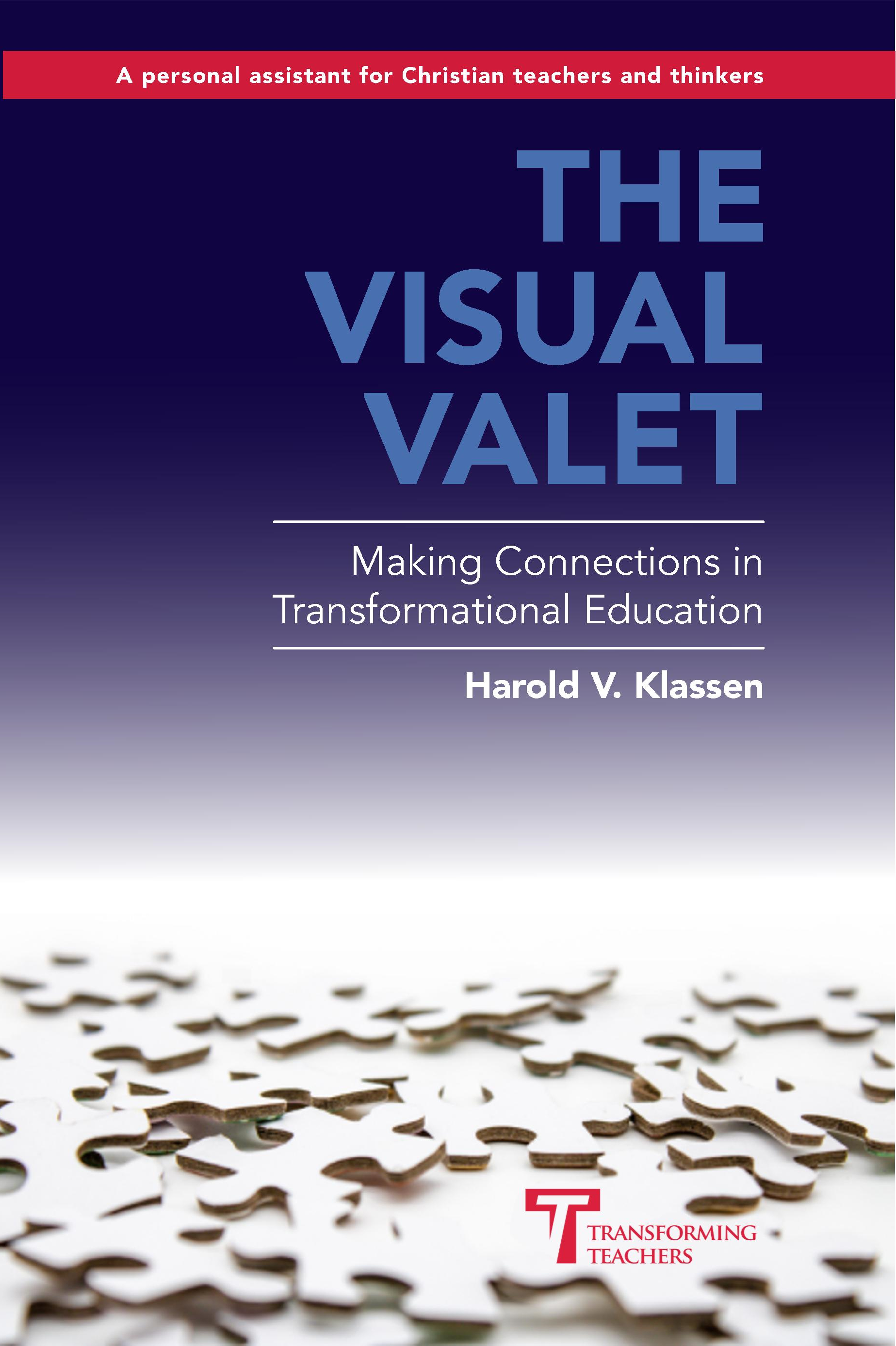 Connecting the study of God’s world with God’s Word, the Bible, doesn’t happen automatically even with the best intentions. However, Biblical integration or faith in learning isn’t impossible. The Visual Valet can help you make connections in a way that transforms you and those you teach. Teaching Christianly is not easy, but this visual organizer will help you remember critical principles and wisely apply new practices. It is written from a classroom teacher’s perspective, but this book will be helpful for informal to formal teachers, parents to pastors, who are interested in relating all of life and learning to God and His Word.
The first edition has been available in PDF format for almost 20 years and as a Kindle book more recently. However, the second edition renews the illustrations and cover with some rearranging of the content to make it more accessible. This is the first time that you can order a copy of the book in paperback.
Featured
 By Christian Overman, Worldview Matters, February 21, 2020
The starting point for knowledge is the recognition that God created the entire realm of space and matter. Without Him, nothing would exist.
“In the beginning God created the heavens and the earth” (Genesis 1:1). This is the simple-yet-profound foundation for all learning. It is the most fundamental of all fundamentals.
Not only did God create all things, but He owns all things, even after the entrance of sin into the world. The significance of this cannot be overstated. That's because if we get the issue of ownership wrong, it makes a huge difference in the way we interact with all things in God's world.

In his newsletter on technology and society, The Convivial Society, Vol 2: No 11, L.M. Sacasas posted forty-one questions in "The questions concerning technology" that can help us think about the ethical implications of our tools. It is easy to act as if our tools are completely amoral, but Sacasas' questions quickly dispel that fallacy. His questions are important for both the creators and consumers of technology. He starts with
- What sort of person will the use of this technology make of me?
- What habits will the use of this technology instill?
- How will the use of this technology affect my experience of time?
- How will the use of this technology affect my experience of place?
- How will the use of this technology affect how I relate to other people?
You can now read the Visual Valet in English, Spanish or Chinese. PDF copies of both are available for free download.



The Visual Valet is also available as a Kindle eBook in both English and Spanish.